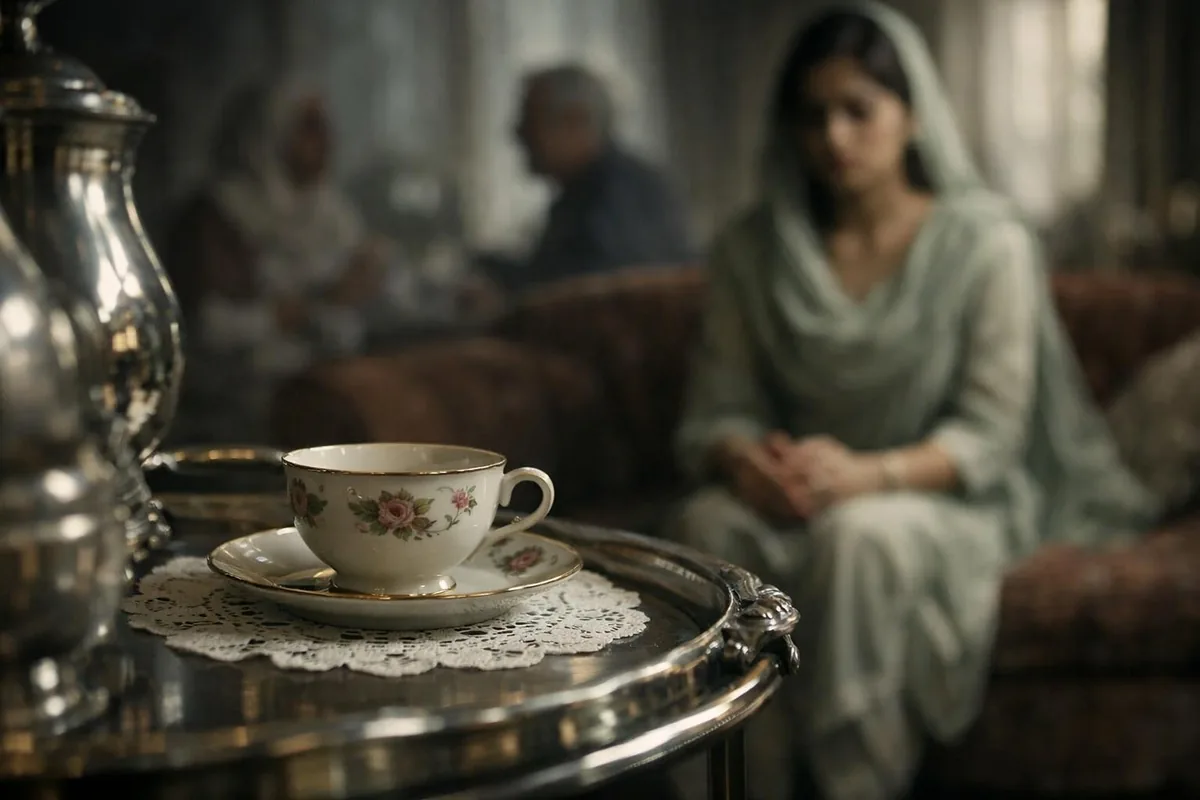
"They said I am too short." "They asked if I can cook gol rotis before even asking my name." "They just looked at me and left without drinking the chai."
If you are a young person in Pakistan, these sentences probably sound painfully familiar. The "Rishta Parade"—the process where families visit to evaluate a potential spouse—is a cultural reality. But for many, it is also a source of deep anxiety, lowered self-esteem, and depression.
A Silent Struggle
Repeated rejection during the rishta process is a leading cause of Body Dysmorphia and Social Anxiety among young women and men in Pakistan, yet it is rarely discussed as a mental health issue.
Why It Hurts So Much
It is not just about a meeting; it feels like an interview for your worthiness as a human being. When you are rejected based on superficial traits like height, skin color (rangat), or salary, it attacks your core identity.
Common emotional impacts include:
- The "Defectiveness" Schema: Believing deep down that there is something "wrong" with you.
- Comparisonitis: Obsessively comparing yourself to cousins or friends who "got picked" easily.
- Parental Pressure: Feeling guilty for "stressing out" your parents by not getting married.
3 Ways to Protect Your Mental Health
1. Separate Your Self-Worth from the Outcome
You are a complete person—with dreams, kindness, talent, and faith. A rejection is often about their preferences (or demands for dowry/status), not about your value. If someone rejects you because you wear glasses or speak a certain way, they are doing you a favor. They are showing you that they would not have cherished the real you.
2. Set Boundaries with "The Feedback"
Well-meaning aunties often relay hurtful feedback: "Tell her to lose weight." You have the right to tell your parents: "Please do not share negative feedback with me unless it is constructive. It hurts me, and I don't need to hear it."
3. Take Breaks
You cannot be "on display" 24/7. It is exhausting. If you have seen three families this month and feel drained, ask your parents for a "Rishta Detox" month. Use that time to reconnect with things that make you feel capable—your job, your hobbies, or your friends.
When to Seek Help
It is normal to feel sad after a rejection. But if you find yourself:
- Crying daily or feeling hopeless about the future.
- Avoiding social gatherings because you fear questions about your marriage.
- Believing you are "unlovable."
Then it might be time to speak to a professional. Therapy can help you rebuild the self-esteem that this process chips away at.
Is the pressure getting too heavy?
You don't have to face the judgment alone. Let's rebuild your confidence together.
Chat with Attia