Serving all of Pakistan & the diaspora — Online
Depression Therapy in Pakistan —
Online, Confidential, in Urdu & English
Depression is one of the most treatable mental health conditions — yet in Pakistan, nine out of ten people who have it never get help. Evidence-based therapy via Zoom, from wherever you are, with a UK-certified therapist who understands the culture you live in.
Depression in Pakistan: What the Research Shows
You are not imagining it, and you are not alone. Every figure below links to the published research behind it.
people in Pakistan are estimated to need mental health support — roughly one in ten Pakistanis.
mean prevalence of anxiety and depressive disorders found by a systematic review of 20 Pakistani community studies.
psychiatrists per 100,000 people — one of the lowest ratios in the world (WHO recommends at least 1 per 100,000).
of Pakistanis living with a mental illness receive no treatment at all — one of the largest treatment gaps globally.
of Pakistan's health budget is allocated to mental health — a fraction of what comparable countries spend.
of Pakistani women with significant postpartum depression symptoms never sought any medical help.
Figures are drawn from peer-reviewed studies and WHO assessments; click any source to read the original research.
What Depression Actually Looks Like
It is rarely just "sadness" — and in Pakistan, it often doesn't look like sadness at all.
The Common Signs
- Persistent low mood or emptiness, most days, for two weeks or more
- Loss of interest in things you used to enjoy
- Exhaustion that sleep doesn't fix
- Changes in sleep or appetite — too much or too little
- Difficulty concentrating, deciding, or remembering
- Feeling worthless, guilty, or like a burden
- Thoughts that life is not worth living
How It Hides in Pakistan
In Pakistani families, depression frequently shows up in disguise — which is one reason it goes untreated for years:
- Constant headaches, body aches, or stomach problems with no medical cause
- Irritability and anger rather than visible sadness — especially in men
- "Kamzori" (weakness) and fatigue treated with tonics instead of therapy
- Withdrawing from family gatherings, blamed on being "moody" or "difficult"
- Being told it's a lack of faith, gratitude, or willpower
If several of these have been true for you for more than two weeks, that is not a character flaw. It is a recognized, treatable condition — and treatment works.
Why Depression Goes Untreated in Pakistan
The gap is not because Pakistanis suffer less. A systematic review published in the BMJ found anxiety and depressive disorders affecting a mean of 34% of people across Pakistani community studies — with socioeconomic adversity and relationship problems as the leading risk factors, and supportive family and friends as the strongest protection. Depression here is common, human, and heavily shaped by the exact pressures Pakistani life creates: financial strain, joint-family conflict, marriages under stress.
The gap exists because help is scarce and stigma is loud. Pakistan has roughly 0.19 psychiatrists per 100,000 people — for a population of over 240 million — and spends only 0.4% of its health budget on mental health. Even in Karachi, Lahore, or Islamabad, finding a qualified therapist means long waits, high fees, and the very real fear of being seen walking into a clinic. Outside the big cities, help effectively does not exist.
And then there is what families say. "Just pray more." "Others have it worse." "What will people think?" "You have everything — what do you have to be depressed about?" Faith and gratitude matter deeply to many of my clients — and depression is still an illness. It responds to treatment the way an illness does, not the way a character flaw would. Believing both of these things at once is not a contradiction; it is simply accurate.
Online therapy removes the two biggest barriers at once: nobody sees you go, and it reaches you anywhere in Pakistan — from a bedroom in Multan to an office in Islamabad after everyone has gone home.
How Depression Therapy Works
Not vague advice — a structured, evidence-based process.
1. Assessment
Your first session maps what you are experiencing, how long, how severely, and what is feeding it — family, marriage, work, loss, health. You set the pace; nothing is forced.
2. Evidence-Based Treatment
Cognitive behavioural therapy (CBT) is a first-line treatment for depression, backed by a meta-analysis of 115 studies — with lower relapse rates than medication alone. I integrate CBT with DBT and trauma-informed approaches based on what you need.
3. Skills That Outlast Therapy
You learn to catch the thought patterns that pull you down, rebuild routines and energy behaviourally, and handle the family dynamics that feed the low mood — skills you keep for life.
4. Honest Referrals
For severe depression, therapy sometimes needs to be combined with medication. If I assess that you would benefit from seeing a psychiatrist, I will say so and help you find one. Psychiatrist vs psychologist — the difference explained →
Does Online Depression Therapy Actually Work?
peer-reviewed studies confirm online therapy is as effective as in-person for anxiety, depression & PTSD (UCLA Health)
a systematic review of randomized controlled trials found web-based CBT effective for depression (2024 review)
adherence to guided internet CBT is comparable to face-to-face CBT, per meta-analysis (PLOS ONE)
weekly sessions — after which half of people consider themselves recovered (APA)
Depression Therapy, Wherever You Are in Pakistan
Sessions are fully online, so it makes no difference whether you are in a major city or a small town. City-specific pages:
Or start with online therapy in Pakistan — all services, one page.
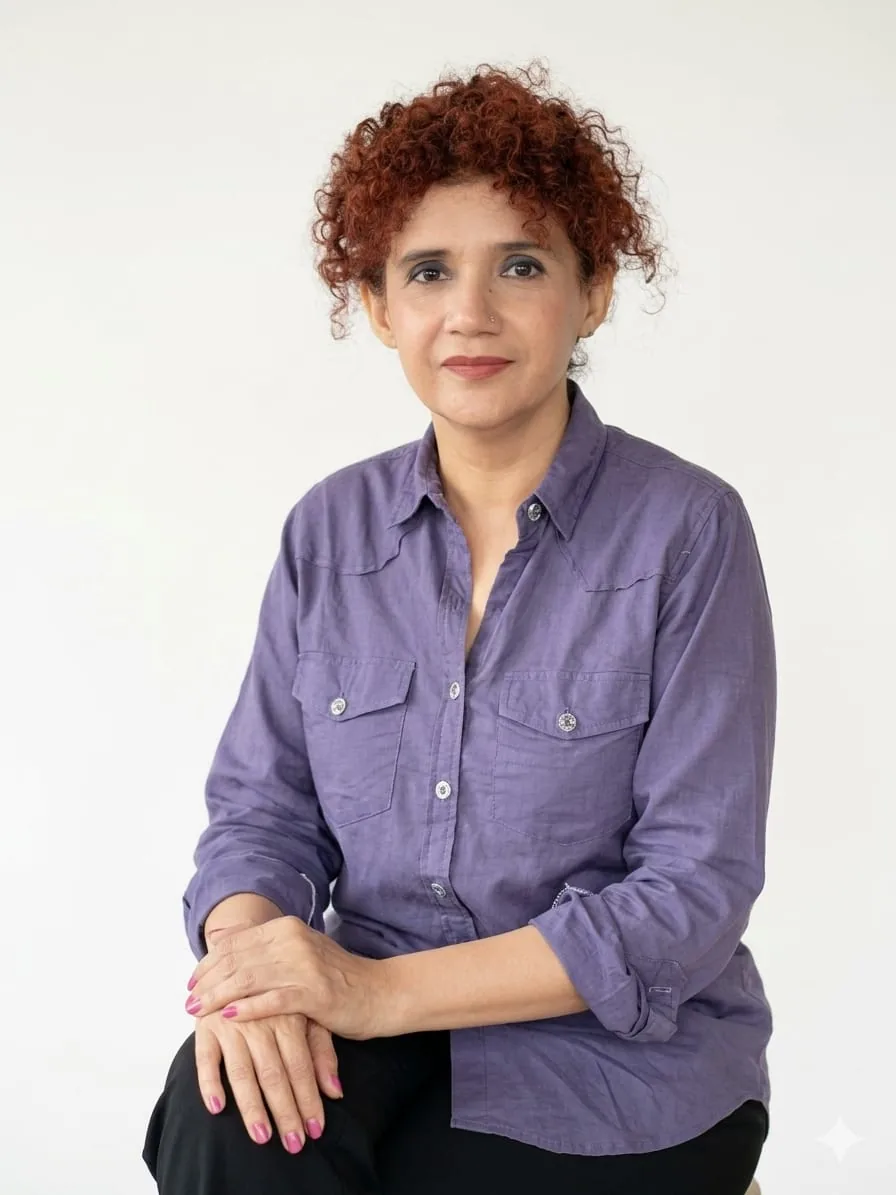
Your Therapist: Attia Altaf
Integrative Psychotherapist (CPCAB-UK)
I am a UK-certified Integrative Psychotherapist with over 8 years of experience treating depression in Pakistani clients — in Pakistan and across the diaspora. I know how depression presents here: the exhaustion that gets called laziness, the tears that only come at night, the guilt of feeling this way when "others have it worse."
Therapy with me is not a lecture and not a judgment. It is a structured, confidential space where we understand what is happening to you and systematically change it.
- UK-Certified, Level 3 & 4 — Integrative Psychotherapy (CPCAB)
- PhD in Media & Communication Sciences
- CBT, DBT, Trauma-Informed, Hara Therapy
- Sessions in Urdu, English & Punjabi
Session Fees
Transparent pricing — no assessment fees, no hidden charges
PKR 5,000 / 50-minute session
One flat fee for every type of session — depression therapy, anxiety, OCD, trauma, marriage counseling and more. Online, in Urdu & English, with no waiting list.
Book a Session on WhatsAppFrequently Asked Questions
How much does depression therapy cost in Pakistan?
Sessions with Healing with Attia are PKR 5,000 for a 50-minute online session — the same flat rate as every other session type. No assessment fees or hidden charges.
Can I get depression therapy in Urdu?
Yes. Attia conducts sessions in Urdu, English, and Punjabi. You can switch languages freely — many clients find their emotions come more naturally in Urdu.
Is online therapy effective for depression?
Yes. Systematic reviews of randomized controlled trials show online CBT is an effective treatment for depression, with adherence and outcomes comparable to face-to-face therapy. The research is linked throughout this page.
Do I need a psychiatrist or a therapist for depression?
For mild to moderate depression, talk therapy such as CBT is a recommended first-line treatment. Severe depression sometimes needs medication alongside therapy. If Attia assesses that a psychiatric evaluation would help you, she will tell you honestly and help you find one.
How many sessions will I need?
It varies. Many clients notice meaningful change within 6–12 sessions; the APA reports about half of people recover within 15–20 sessions. You are never locked into a package.
Will anyone find out I'm in therapy?
No. Sessions are online, private, and fully confidential. Nothing is shared with family, employers, or anyone else — and you do not need anyone's permission to book.
If you are in crisis: if you are having thoughts of harming yourself, please do not wait for a therapy appointment. Contact your nearest hospital emergency department, call Rescue 1122, or tell someone you trust right now. Therapy can help you rebuild — but tonight, your safety comes first.
Depression Is Treatable. Start This Week.
No referral needed. No waiting list. No one has to know. One WhatsApp message is the entire first step.
Book via WhatsApp