Serving all of Pakistan & the diaspora — Online
Anxiety Treatment in Pakistan —
CBT Therapy Online, in Urdu & English
The racing heart. The 3am overthinking. The dread that arrives before anything has even gone wrong. Anxiety is the most treatable it has ever been — with structured CBT, online, from wherever you are.
Anxiety in Pakistan: What the Research Shows
Anxiety is one of Pakistan's most common — and most untreated — conditions. Every figure links to the published research behind it.
mean prevalence of anxiety and depressive disorders found by a systematic review of 20 Pakistani community studies.
CBT is the most consistently supported psychological treatment for anxiety-related disorders, per meta-analysis of recent trials.
a randomized controlled trial in Pakistan itself found group CBT significantly improved anxiety symptoms.
peer-reviewed studies confirm online therapy is as effective as in-person for anxiety, depression & PTSD.
psychiatrists per 100,000 people in Pakistan — one of the lowest ratios in the world.
of Pakistanis living with a mental illness receive no treatment at all.
The Kinds of Anxiety We Treat
"Anxiety" is not one thing. Naming yours is the first step to treating it.
Generalized Anxiety (GAD)
Chronic worry that jumps from money to health to family and back — a mind that never switches off, and a body that stays braced for bad news.
Panic Attacks
Sudden waves of pounding heart, breathlessness, and the terror that you are dying or losing control. CBT breaks the fear-of-fear cycle that keeps panic returning.
Social Anxiety
Dreading gatherings, interviews, or being judged — exhausting in a society where dawats, weddings, and log kya kahenge are unavoidable.
Health Anxiety
Every headache is a tumour, every flutter a heart attack. Repeated tests come back clear, yet the fear does not leave. This is treatable.
Severe & Chronic Anxiety
Anxiety that has lasted years and now feels like personality. It is not — long-standing anxiety still responds to structured treatment.
Work & Exam Stress
Performance pressure, deadlines, CSS/MDCAT-level exam fear, and burnout. Exam stress guide → · Burnout guide →
When Anxiety Lives in the Body
In Pakistan, anxiety very often arrives at a cardiologist's clinic before it ever reaches a therapist. Palpitations, chest tightness, a churning stomach, trembling, dizziness — "ghabrahat" — get investigated as heart or stomach problems. The tests come back normal, a tonic is prescribed, and the person leaves without the one diagnosis that would actually explain everything.
If you have had the ECGs and the endoscopies and been told "everything is fine" while feeling anything but fine — that pattern itself is one of the most recognizable signatures of an anxiety disorder. Your symptoms are real. They are physical. And they are produced by a nervous system stuck in alarm mode, which is precisely what CBT retrains.
A systematic review published in the BMJ found anxiety and depressive disorders affecting around a third of Pakistanis, with socioeconomic pressure and relationship problems as the biggest drivers — and most sufferers never receiving treatment. You do not have to be one of them.
How Anxiety Treatment Works
CBT is structured and practical — you leave every session with something to use.
1. Assessment
We map your anxiety: what triggers it, how it shows up in your body, what you avoid because of it, and what it is costing you. You set the pace.
2. Retraining the Thoughts
CBT — the most consistently supported treatment for anxiety disorders — teaches you to catch catastrophic predictions and test them against reality, instead of obeying them.
3. Reclaiming What You Avoid
Avoidance shrinks life and feeds anxiety. Gradually — never forced — you re-enter the situations anxiety took from you, and discover you can handle them.
4. Drug-Free First, Honest Always
CBT is a medication-free treatment, and for most anxiety it is enough. If yours is severe enough that a psychiatric consult would help, I will say so and help you find one. Psychiatrist vs psychologist →
Anxiety Treatment, Wherever You Are in Pakistan
Sessions are fully online, so it makes no difference whether you are in a major city or a small town. City-specific pages:
Or start with online therapy in Pakistan — all services, one page.
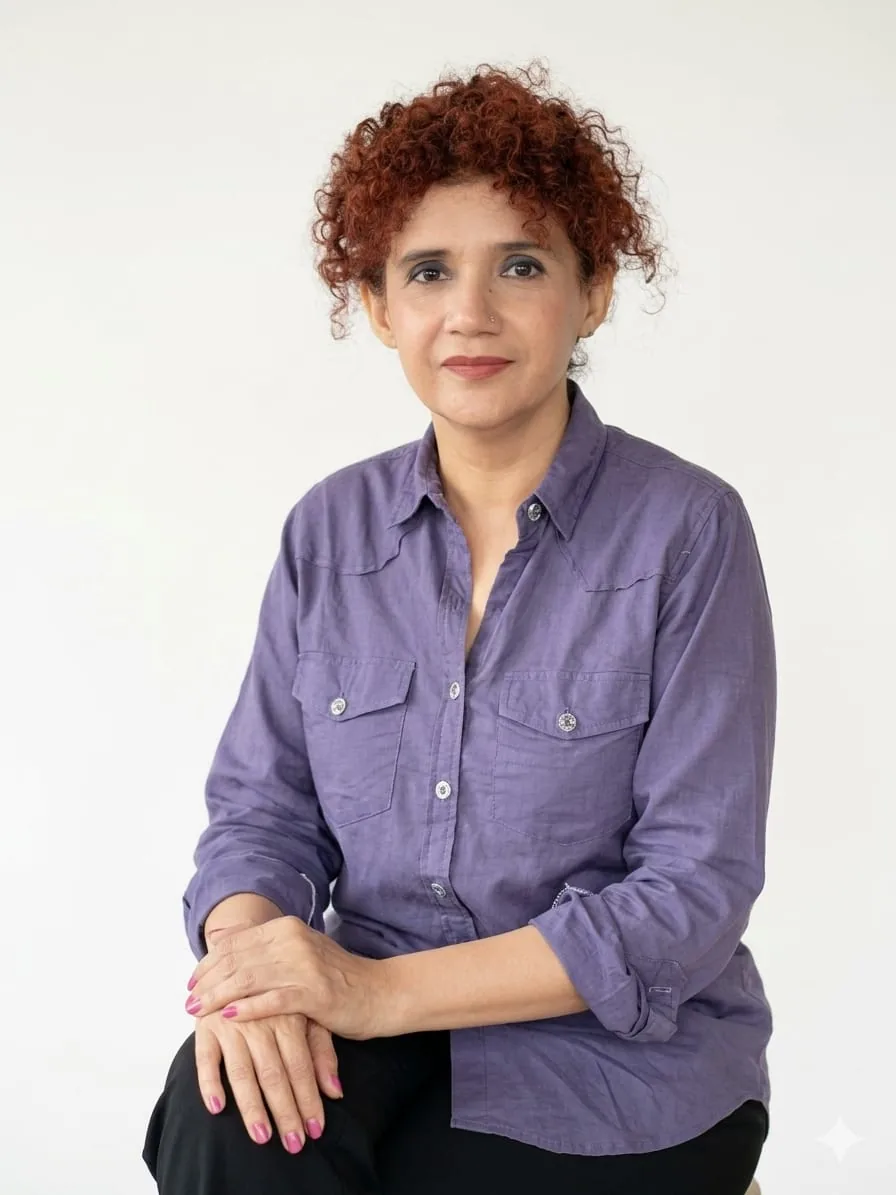
Your Therapist: Attia Altaf
Integrative Psychotherapist (CPCAB-UK)
I am a UK-certified Integrative Psychotherapist with over 8 years of experience treating anxiety in Pakistani clients. I know its local face: the ghabrahat that sends people to cardiologists, the overthinking dismissed as “wehmi” nature, the panic hidden from family for years.
Therapy with me is structured and practical — CBT, DBT and trauma-informed work, tailored to what your anxiety actually needs. No lectures, no judgment, no pressure to perform calmness.
- UK-Certified, Level 3 & 4 — Integrative Psychotherapy (CPCAB)
- PhD in Media & Communication Sciences
- CBT, DBT, Trauma-Informed, Hara Therapy
- Sessions in Urdu, English & Punjabi
Session Fees
Transparent pricing — no assessment fees, no hidden charges
PKR 5,000 / 50-minute session
One flat fee for every type of session — anxiety treatment, panic, OCD, depression, trauma, marriage counseling and more. Online, in Urdu & English, with no waiting list.
Book a Session on WhatsAppFrequently Asked Questions
How is anxiety treated?
The most researched and effective treatment is CBT. It teaches you to identify the thought patterns fueling your anxiety, change your relationship with the physical symptoms, and gradually take back the situations you avoid. Severe anxiety sometimes benefits from medication alongside therapy, via a psychiatrist.
Can anxiety be treated without medication?
Yes. CBT is a drug-free, evidence-based treatment and a recommended first-line option for most anxiety disorders. Many people recover with therapy alone; if your anxiety is severe, a combination may work best — and you will get an honest recommendation either way.
How much does anxiety treatment cost in Pakistan?
Sessions are PKR 5,000 for a 50-minute online session — the same flat rate as every other session type. No assessment fees or hidden charges.
Do you treat panic attacks?
Yes. Panic responds very well to CBT. You learn what a panic attack actually is physiologically, why it cannot harm you, and the specific techniques that break the fear-of-fear cycle that keeps panic returning.
Can I get anxiety therapy in Urdu?
Yes. Attia conducts sessions in Urdu, English, and Punjabi. You can switch languages freely — many clients find their emotions come more naturally in Urdu.
How many sessions will I need?
Many clients notice meaningful change within 6–12 sessions; the APA reports about half of people recover within 15–20 sessions. You are never locked into a package.
Anxiety Is Treatable. Start This Week.
No referral needed. No waiting list. No one has to know. One WhatsApp message is the entire first step.
Book via WhatsApp