Serving all of Pakistan & the diaspora — Online
Postnatal Depression Treatment in Pakistan —
Online, in Urdu & English
Everyone is celebrating the baby. Nobody is asking how you are. If you feel empty, anxious, or unlike yourself since giving birth — you are not ungrateful, and you are not a bad mother. You may have postnatal depression, and it is treatable from your own home.
Postnatal Depression in Pakistan: What the Research Shows
Pakistan has some of the highest postnatal depression rates in Asia — and some of the lowest treatment rates. Every figure links to the research behind it.
pooled prevalence of perinatal depression among Pakistani mothers — among the highest rates in Asia (meta-analysis of 61 studies).
of Pakistani mothers show postnatal depression symptoms at 12 months — it often deepens rather than fading on its own.
of Pakistani women with significant postpartum depression symptoms never sought any medical help.
studies in a meta-analysis confirm CBT is an effective treatment for depression — including postnatal depression.
peer-reviewed studies confirm online therapy is as effective as in-person — no clinic visit needed with a newborn.
psychiatrists per 100,000 people in Pakistan — one of the lowest ratios in the world.
Baby Blues — or Postnatal Depression?
The two-week line matters. Here is how to tell the difference.
Baby Blues (Normal & Temporary)
- Tearfulness and mood swings in the first days
- Feeling overwhelmed, tired, and irritable
- Comes in waves — good hours mixed with hard ones
- Settles on its own within about two weeks
Postnatal Depression (Needs Support)
- Persistent low mood, emptiness, or hopelessness beyond two weeks
- Feeling disconnected from your baby — or afraid to be alone with them
- Intense anxiety, guilt, or feeling like a failure as a mother
- Intrusive, frightening thoughts you would never act on
- Sleep problems even when the baby sleeps; appetite changes
If the second list feels familiar, that is not a verdict on your motherhood — it is a treatable condition that over a third of Pakistani mothers go through.
Why Pakistani Mothers Suffer in Silence
A meta-analysis of 61 Pakistani studies puts perinatal depression at 37% of mothers — among the highest in Asia — with rates rising, not falling, through the first year. The same research names the drivers: limited social support, marital distress, unintended pregnancy, and early-life stress. In plain terms: the joint-family scrutiny, the pressure to produce and perform, the exhaustion nobody shares.
And yet 93% of affected mothers never seek help. The reasons are painfully familiar. "Every woman goes through this." "Your mother raised five children without complaining." "Be grateful — some women can't have babies at all." A new mother in Pakistan is surrounded by people and completely alone at the same time.
There is also simple logistics: with a newborn, getting to a clinic is nearly impossible. This is exactly where online therapy fits. Sessions happen from your bedroom during a nap. You can feed your baby mid-session. Nobody in the house needs to know it is therapy and not a phone call.
One more thing rarely said out loud: new fathers experience perinatal depression too — the same meta-analysis documents it. If that is you, or your husband, the same treatment applies and the same door is open.
How Postnatal Depression Treatment Works
Gentle, structured, and built around life with a newborn.
1. A Safe Assessment
We map what you are feeling — including the thoughts you are most ashamed of. You will not be judged, reported, or lectured. Everything is confidential.
2. Evidence-Based Therapy
CBT — backed by a meta-analysis of 115 studies — combined with integrative approaches, targeting the guilt, the anxiety, and the disconnection directly.
3. The Family Context
PND in Pakistan rarely exists in a vacuum — in-law pressure, an absent or overwhelmed husband, and impossible expectations feed it. Therapy includes practical strategies for your actual household.
4. Honest Referrals
Severe postnatal depression sometimes needs medication alongside therapy — much of it compatible with breastfeeding, prescribed by a psychiatrist. If you need that, I will say so and help you find one. Psychiatrist vs psychologist →
Postnatal Depression Treatment, Wherever You Are in Pakistan
Sessions are fully online, so it makes no difference whether you are in a major city or a small town. City-specific pages:
Or start with online therapy in Pakistan — all services, one page.
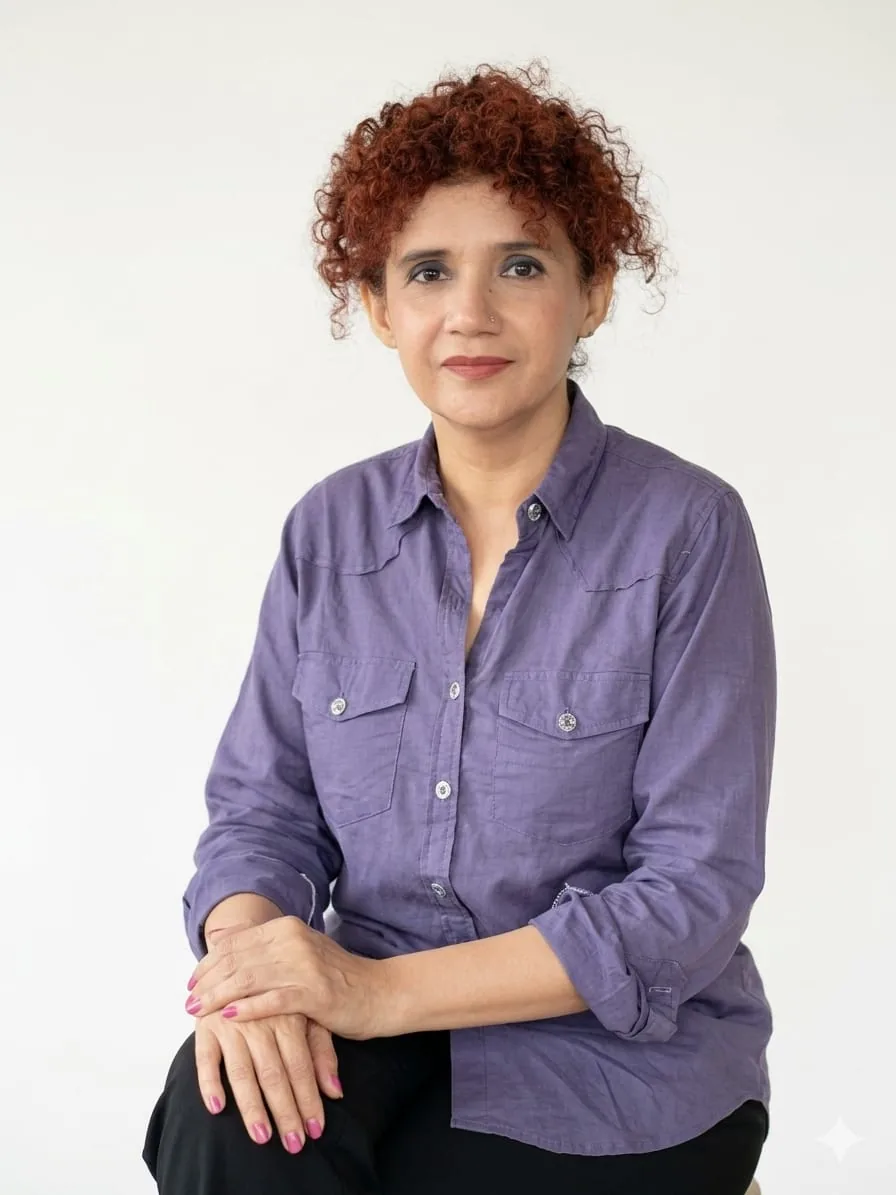
Your Therapist: Attia Altaf
Integrative Psychotherapist (CPCAB-UK)
I am a UK-certified Integrative Psychotherapist with over 8 years of experience, and postnatal depression holds a particular place in my work. I know what it is to sit across from a mother who whispers, because the house is full of people who would not understand.
Sessions with me fit around your baby, not the other way round. Feed mid-session, pause when you need to, cry without apologizing. This hour is yours.
- UK-Certified, Level 3 & 4 — Integrative Psychotherapy (CPCAB)
- PhD in Media & Communication Sciences
- CBT, DBT, Trauma-Informed, Hara Therapy
- Sessions in Urdu, English & Punjabi
Session Fees
Transparent pricing — no assessment fees, no hidden charges
PKR 5,000 / 50-minute session
One flat fee for every type of session — postnatal depression treatment, anxiety, depression, trauma, marriage counseling and more. Online, in Urdu & English, with no waiting list.
Book a Session on WhatsAppFrequently Asked Questions
Is postnatal depression my fault?
No. It is a recognized medical condition driven by hormonal shifts, exhaustion, and circumstance — not weakness or ingratitude. Over a third of Pakistani mothers experience it. Getting help is an act of care for your baby, not a failure.
What's the difference between baby blues and postnatal depression?
Baby blues affect most new mothers and settle within about two weeks. If low mood, anxiety, hopelessness, or disconnection from your baby persist beyond two weeks or worsen, that points to postnatal depression — which benefits from treatment.
How is postnatal depression treated?
Talk therapy — particularly CBT and integrative psychotherapy — is a first-line treatment. Severe cases sometimes also need medication via a psychiatrist; if that would help you, Attia will say so honestly and help you find one.
Can I do therapy with a newborn at home?
Yes — sessions are online and built around new motherhood. Attend from home during a nap, feed your baby mid-session, pause when needed. No commute, no childcare arrangements, no waiting room.
I have scary thoughts about my baby. Am I dangerous?
Intrusive thoughts about harm coming to the baby are a common, well-documented symptom of postnatal depression and anxiety — and having them is not the same as wanting them. Mothers distressed by these thoughts are almost never a danger. This is treatable; please reach out rather than suffering silently.
How much does treatment cost?
Sessions are PKR 5,000 for a 50-minute online session — the same flat rate as every other session type. No assessment fees or hidden charges.
If you are in crisis: if you are having thoughts of harming yourself or your baby, this is a medical emergency — not a moral failing. Go to your nearest hospital emergency department or tell someone you trust right now. Help works, and you deserve it tonight, not someday.
You Deserve Care Too. Start This Week.
No referral needed. No waiting list. No one has to know. One WhatsApp message is the entire first step.
Book via WhatsApp