Serving all of Pakistan & the diaspora — Online
Trauma Therapy in Pakistan —
PTSD & Emotional Healing, Online in Urdu & English
What happened to you was real — whether it was abuse, betrayal, an accident, a loss, or a childhood nobody protected. Trauma has evidence-based treatment, it moves at your pace, and you never have to walk into a clinic to get it.
Trauma in Pakistan: What the Research Shows
Trauma is common in Pakistan, rarely named, and highly treatable. Every figure links to the published research behind it.
adults in an Islamabad survey of 500 people had experienced direct trauma within the previous 12 months.
of those directly exposed to trauma screened positive for PTSD — versus 21% of those with only indirect exposure.
trauma-focused psychotherapy (trauma-focused CBT, EMDR) is the first-line recommended treatment for PTSD — and it works in routine care, not just trials.
a randomized trial in Pakistan found culturally adapted trauma-focused CBT feasible and beneficial for women recovering from domestic violence.
peer-reviewed studies confirm online therapy is as effective as in-person for anxiety, depression & PTSD.
of Pakistanis living with a mental illness receive no treatment at all.
What Counts as Trauma?
More than you have been told. If it overwhelmed your ability to cope and still shapes you, it counts.
The Events People Recognize
- Accidents, injuries, and medical emergencies
- Violence, robbery, or witnessing violence
- Natural disasters — floods, earthquakes
- Sudden loss of someone you love
- A traumatic childbirth
The Trauma Nobody Names
In Pakistan, the most common traumas happen inside homes and relationships — and get called "family matters":
- Physical or emotional abuse by a spouse or in-laws
- A childhood of harshness, neglect, or fear
- Betrayal by the person you trusted most
- Years of humiliation, control, or manipulation
- Being silenced after harassment or assault
"It was so long ago." "Others had it worse." "It was family." None of these change what your nervous system carries — and none of them disqualify you from healing.
How Trauma Shows Up — Sometimes Years Later
Trauma does not always look like flashbacks. It looks like never fully relaxing, even at home. Scanning every room for tension. Jumping at raised voices. Feeling numb at moments that should matter. Trusting no one completely — or trusting too fast and getting hurt again. Nightmares, or sleep that never restores. Rage that arrives out of proportion, or tears that refuse to come at all.
In an Islamabad survey of 500 adults, one in five had experienced direct trauma within a single year — and nearly half of those screened positive for PTSD. Yet almost nobody in Pakistan receives trauma treatment, because the culture around it says: move on, stay quiet, keep the family's honour, be strong.
Staying quiet is not strength — it is what keeps the trauma running. Processing it, safely and on your terms, is what ends it.
How Trauma Therapy Works
Safety first, always. Nothing is rushed, and nothing is forced.
1. Safety & Stabilization
Before touching any painful material, you build grounding skills, emotional regulation, and a sense of safety in sessions. You decide what gets discussed and when — always.
2. Processing, At Your Pace
Using first-line trauma-focused approaches, the memory gets processed so it stops replaying as if it were still happening. The past becomes past.
3. Boundaries & Rebuilding
Especially for relational trauma: learning to set boundaries with the people who hurt you — including family you still live with — and rebuilding your sense of self and trust.
4. Honest Referrals
If your symptoms would benefit from a psychiatric consult alongside therapy, I will tell you honestly and help you find one. Psychiatrist vs psychologist →
Trauma Therapy, Wherever You Are in Pakistan
Sessions are fully online, so it makes no difference whether you are in a major city or a small town. City-specific pages:
Or start with online therapy in Pakistan — all services, one page.
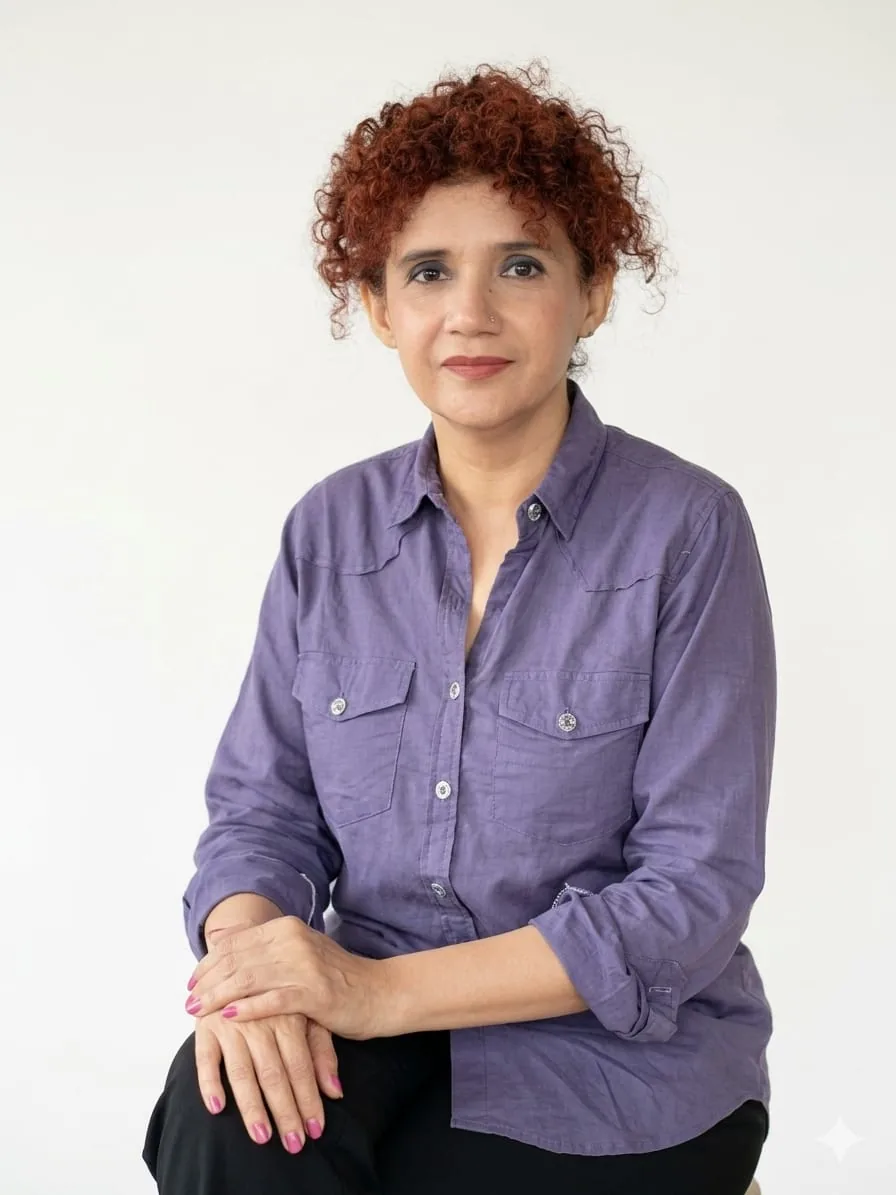
Your Therapist: Attia Altaf
Integrative Psychotherapist (CPCAB-UK)
I am a UK-certified Integrative Psychotherapist with over 8 years of experience, trained in trauma-informed care. Much of my work is with people carrying what Pakistani society calls “family matters” — abuse, betrayal, and childhoods that left marks nobody acknowledged.
In sessions with me you will never be rushed, doubted, or pushed to forgive before you are ready. We go at the pace your nervous system can handle — that is not slowness, that is how trauma treatment works.
- UK-Certified, Level 3 & 4 — Integrative Psychotherapy (CPCAB)
- PhD in Media & Communication Sciences
- CBT, DBT, Trauma-Informed, Hara Therapy
- Sessions in Urdu, English & Punjabi
Session Fees
Transparent pricing — no assessment fees, no hidden charges
PKR 5,000 / 50-minute session
One flat fee for every type of session — trauma therapy, PTSD, anxiety, depression, OCD, marriage counseling and more. Online, in Urdu & English, with no waiting list.
Book a Session on WhatsAppFrequently Asked Questions
How is trauma treated?
The first-line treatments are trauma-focused psychotherapies such as trauma-focused CBT. Treatment moves in stages: building safety and stability first, then carefully processing what happened, then rebuilding trust, boundaries, and daily life.
Do I have to describe everything that happened?
No. You control what you share and when. Early sessions focus on stabilization and coping — processing only begins when you feel ready. Nothing is ever demanded of you.
Does emotional trauma count, or only big events?
Betrayal by a spouse, abuse by a parent or in-laws, childhood neglect, and years of humiliation can all leave trauma responses — hypervigilance, numbness, difficulty trusting. These respond to the same evidence-based treatment as event trauma.
How much does trauma therapy cost in Pakistan?
Sessions are PKR 5,000 for a 50-minute online session — the same flat rate as every other session type. No assessment fees or hidden charges.
Is online trauma therapy safe and effective?
Yes. Research shows online therapy matches in-person outcomes for PTSD — and many trauma survivors feel safer starting from their own space rather than a clinic. Sessions are in Urdu, English, or Punjabi, and fully confidential.
How long does trauma therapy take?
Single-event trauma often improves within 8–16 sessions; long-term or childhood trauma usually takes longer. You set the pace, and you are never locked into a package.
If you are in danger right now: if you are experiencing ongoing violence or abuse, your safety comes before therapy. Call the police on 15, or the Madadgaar National Helpline on 1098, or reach someone you trust. Therapy can help you heal — but first, you deserve to be safe.
What Happened Was Not Your Fault. Healing Is Your Right.
No referral needed. No waiting list. No one has to know. One WhatsApp message is the entire first step.
Book via WhatsApp